

Russia unveils new light armored vehicle “Legioner”. Telegram @CyberspecNews
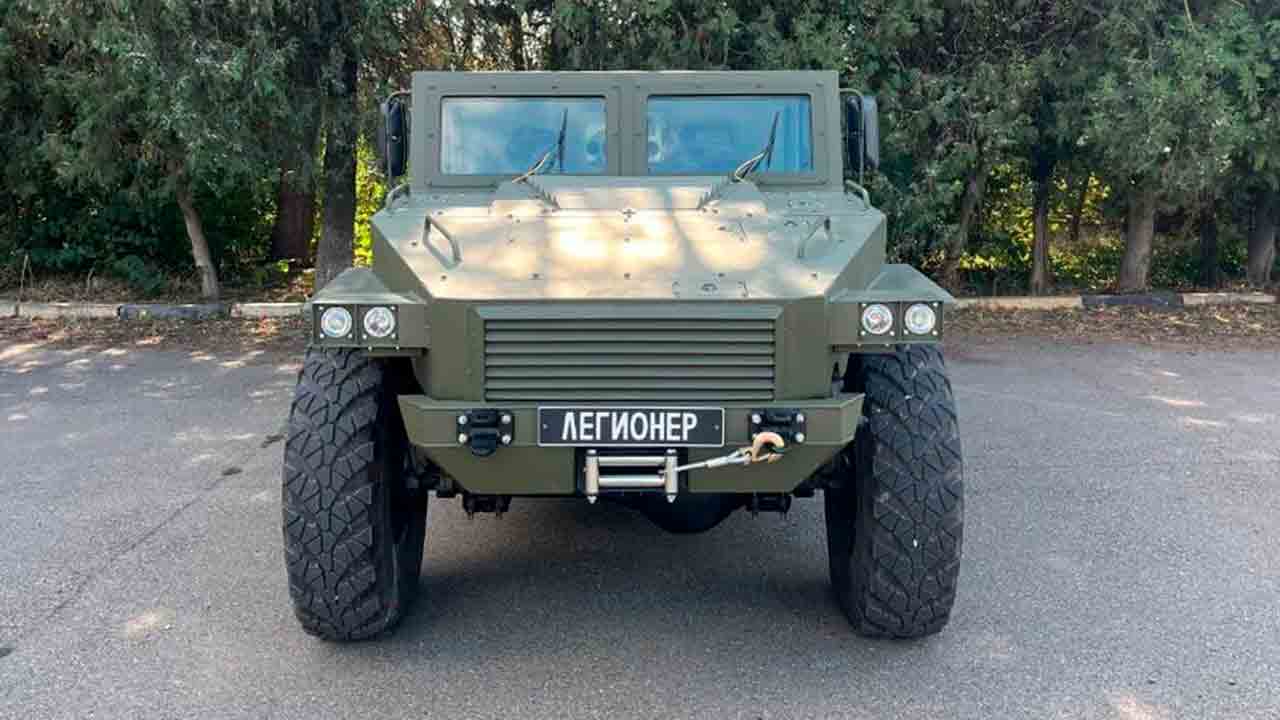
Russia has officially unveiled a new light armored vehicle called “Legioner,” developed by the company Russkiye Boyevyye Mashiny (RBM).
The platform was designed to bridge the gap between unarmored military vehicles and heavy armored carriers such as the BTR-82A, offering superior mobility, basic protection, and versatility in a compact design.
+ Click here to watch the video
Russia unveils new light armored vehicle “Legioner”. Telegram @CyberspecNews
+ Leaked images show detailed view of China’s tailless stealth fighter J-XDS
Design and inspiration
With lines reminiscent of classic Soviet vehicles such as the BTR-40 and BTR-152, the Legioner combines historical aesthetics with modern technologies. Its developers describe it as a multi-purpose platform aimed at a wide range of logistical and support functions on the battlefield.
Role on the battlefield
The project was created to meet a need identified by Russian ground units in Ukraine and other conflicts. Currently, Russian forces largely depend on adapted civilian trucks, with little or no protection, or on heavy armored vehicles such as the BTR-82A. The Legioner seeks to position itself between these extremes: offering greater mobility and payload capacity than civilian vehicles, without the weight and cost of traditional armored carriers.
Russia unveils new light armored vehicle “Legioner”. Telegram @CyberspecNews
Technical specifications
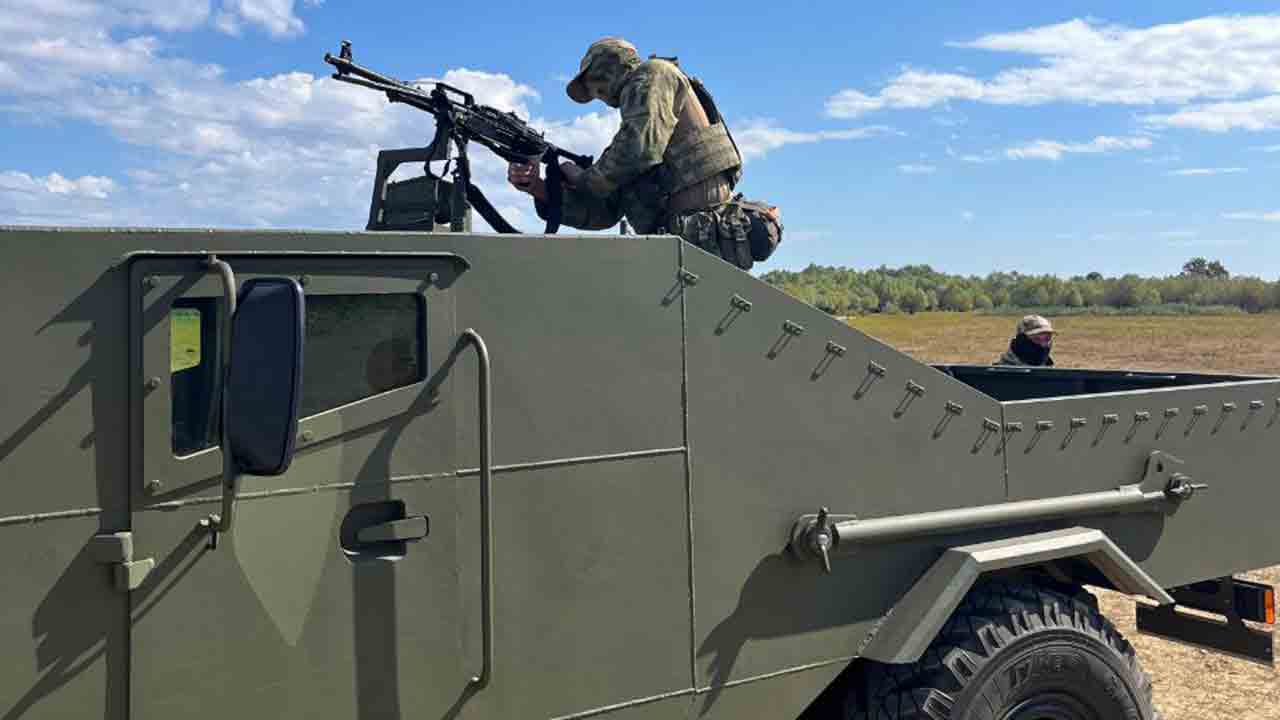
The Legioner is built on a 4×4 chassis, equipped with an armored cabin and an open rear platform that can carry supplies, support troops, or be fitted with light weapons such as machine guns.
- Weight: 6.5 tons
- Payload capacity: 2.5 tons
- Engine: 200 hp YaMZ-234 diesel
- Maximum speed: 100 km/h
- Operational range: 750 km
This autonomy allows for extended operations without frequent refueling, increasing efficiency in missions within fluid combat zones.
Employment philosophy
The open rear platform highlights the Legioner’s purpose: not to replace armored personnel carriers, but to complement their role. It was designed for logistical support, cargo transport, and auxiliary missions in situations where heavy armor is not essential. Its lighter weight and higher speed, compared to traditional APCs, aim to increase the pace of operations in dynamic scenarios.
Source and images: Telegram @CyberspecNews | @milinfolive. This content was created with AI assistance and reviewed by the editorial team.
